
Best Feeding Gear for Every Mealtime Milestone
Shop All ezpz Products
Feeding milestones are key developmental steps that help babies and toddlers learn to eat safely, confidently, and independently. At ezpz we are deeply committed to supporting each age and stage of feeding development through thoughtfully designed, rigorously tested feeding gear created in collaboration with our Pediatric Feeding Specialist, Dawn Winkelmann, M.S., CCC-SLP.


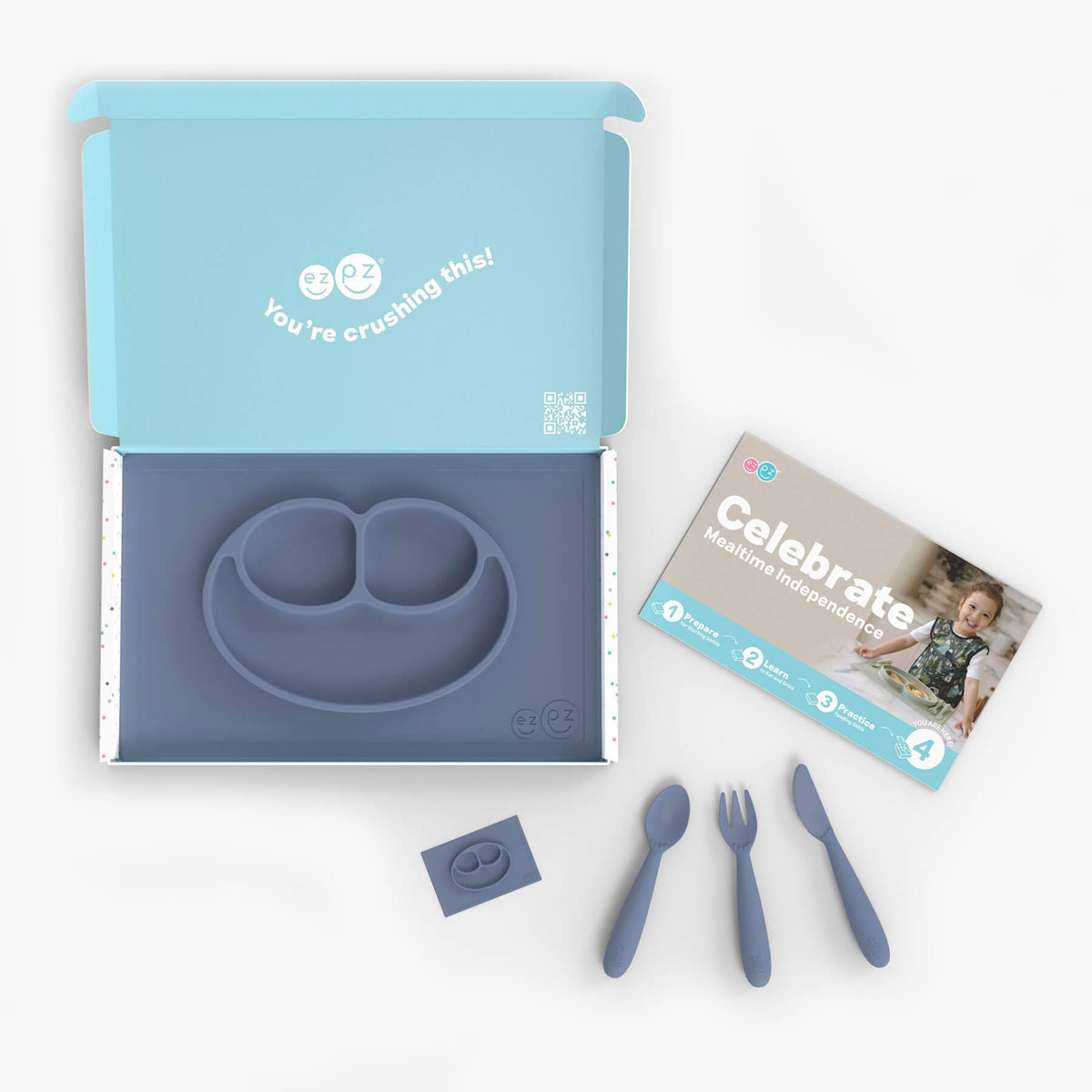
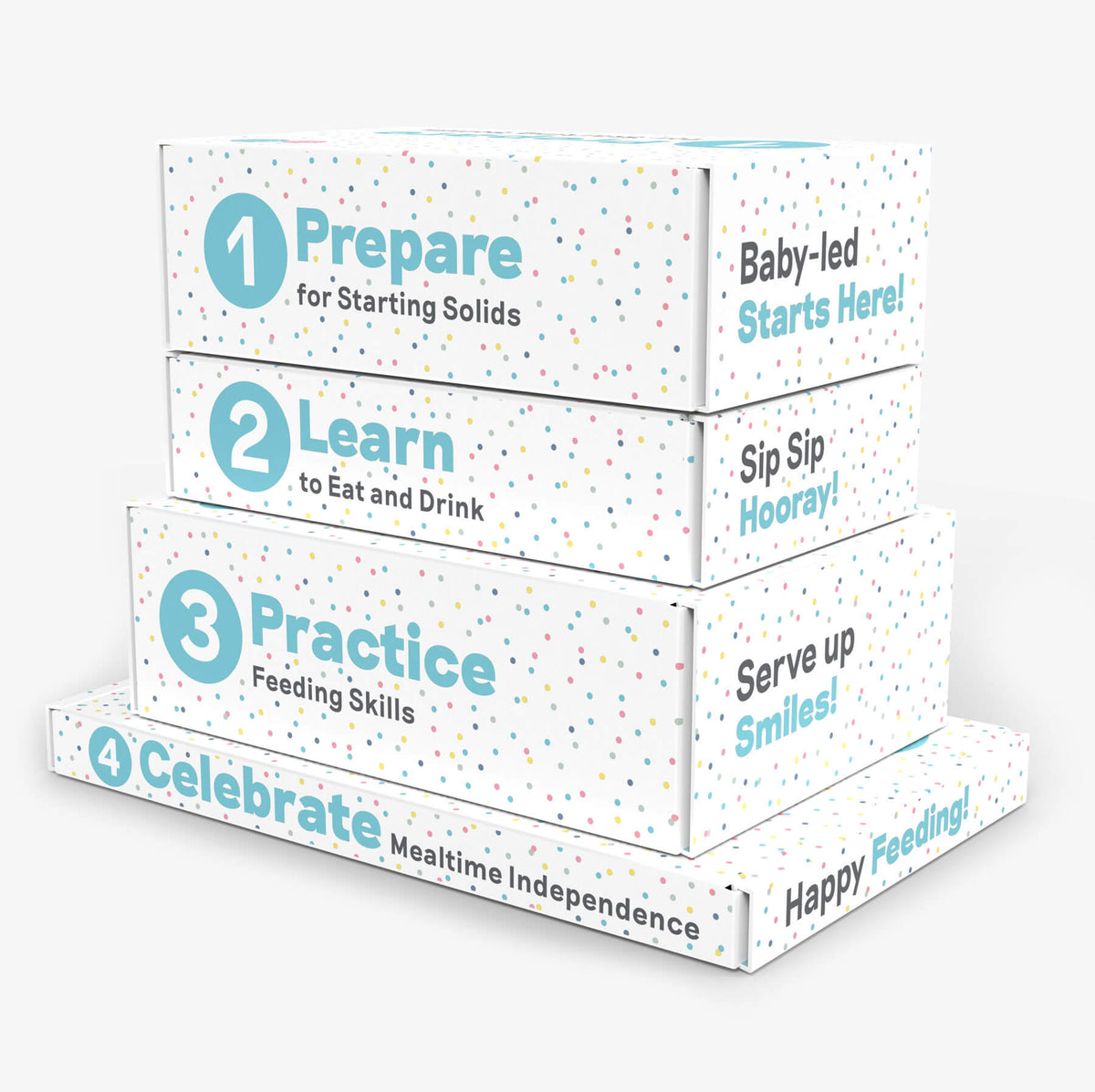
Kit 1-4 Best Value Bundle (0-4 Years)
Birth +

Kit 1 + 2 + 3 Bundle (0-24 Months)
Birth +

Kit 1 + Kit 2 Bundle (Baby's 1st Year)
Birth +



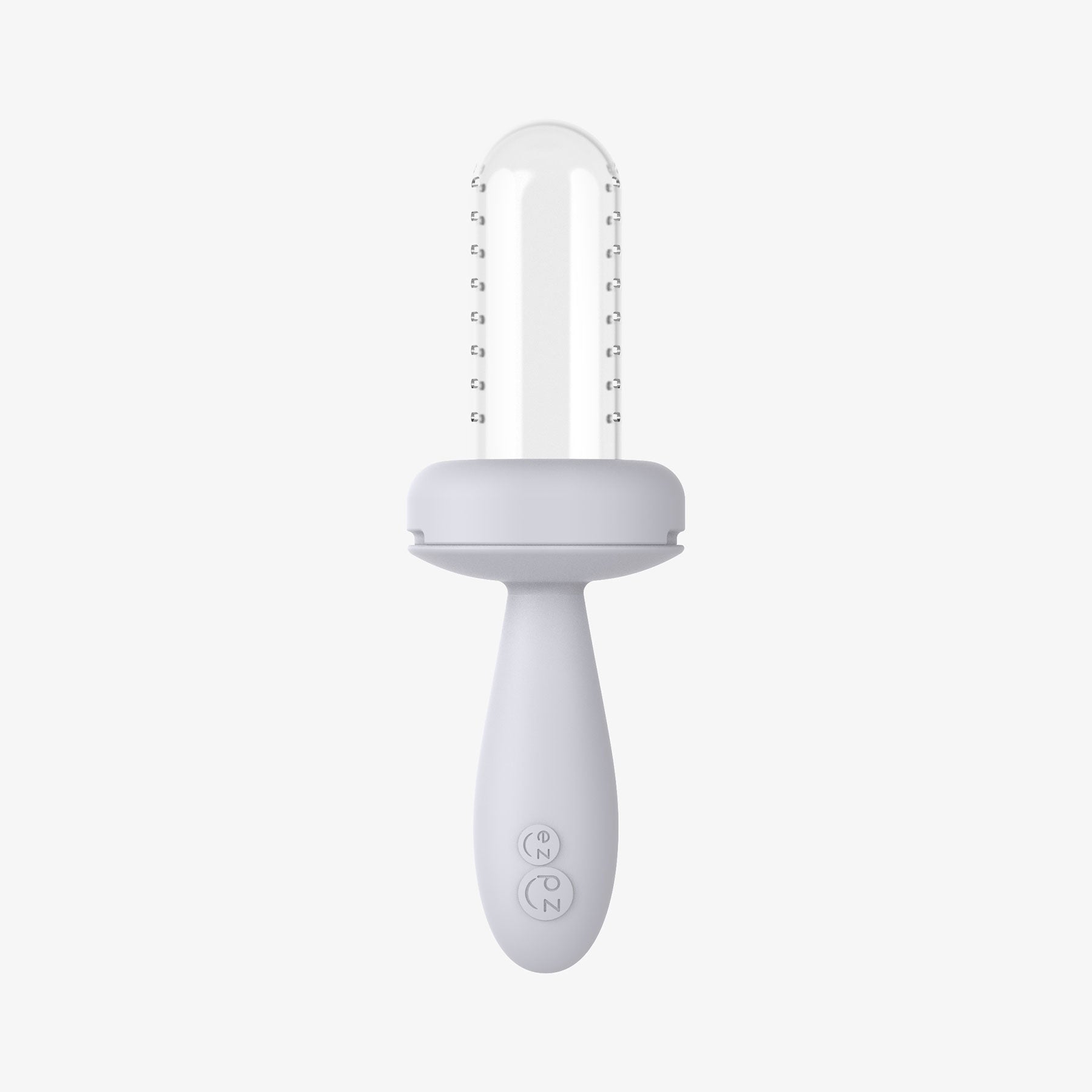


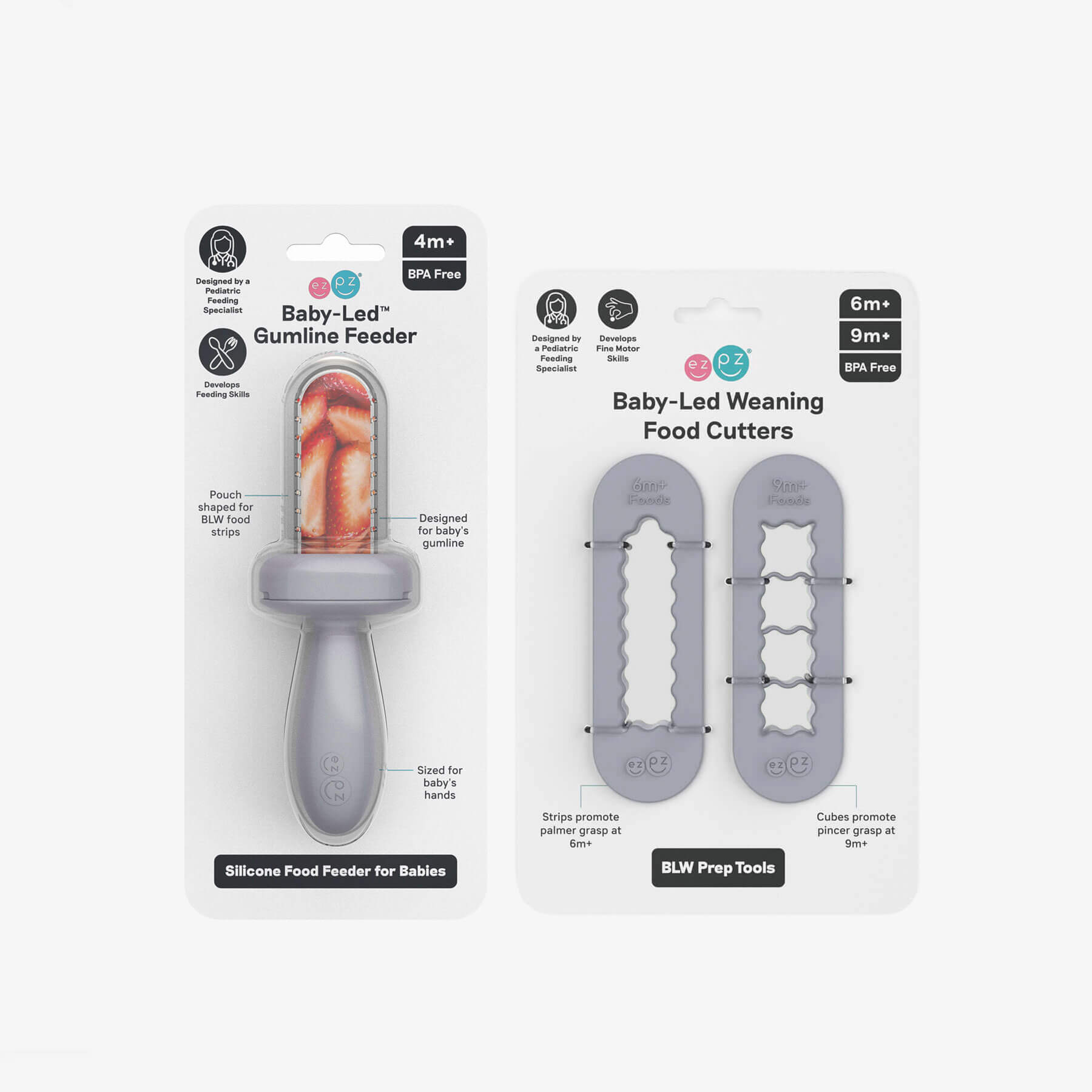
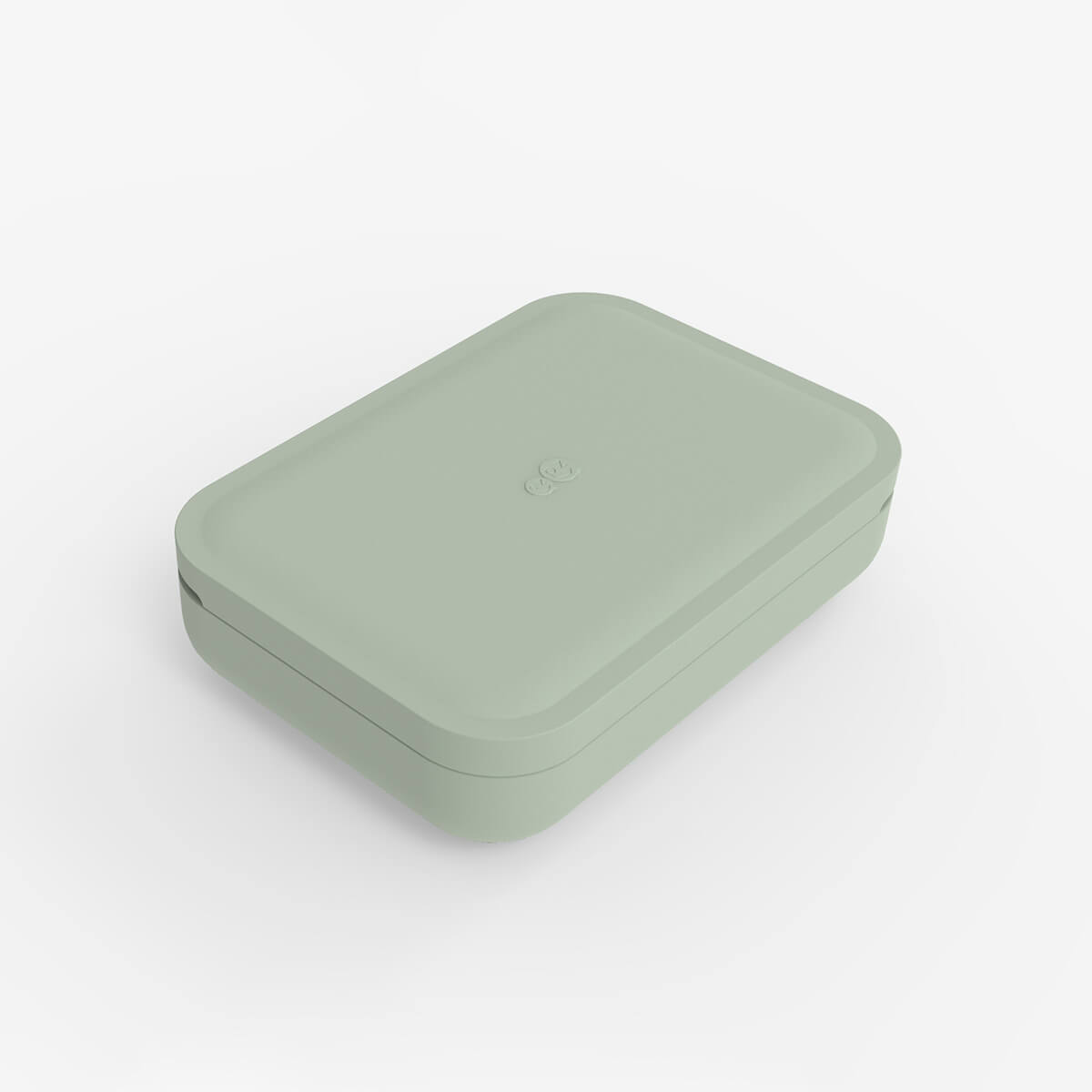
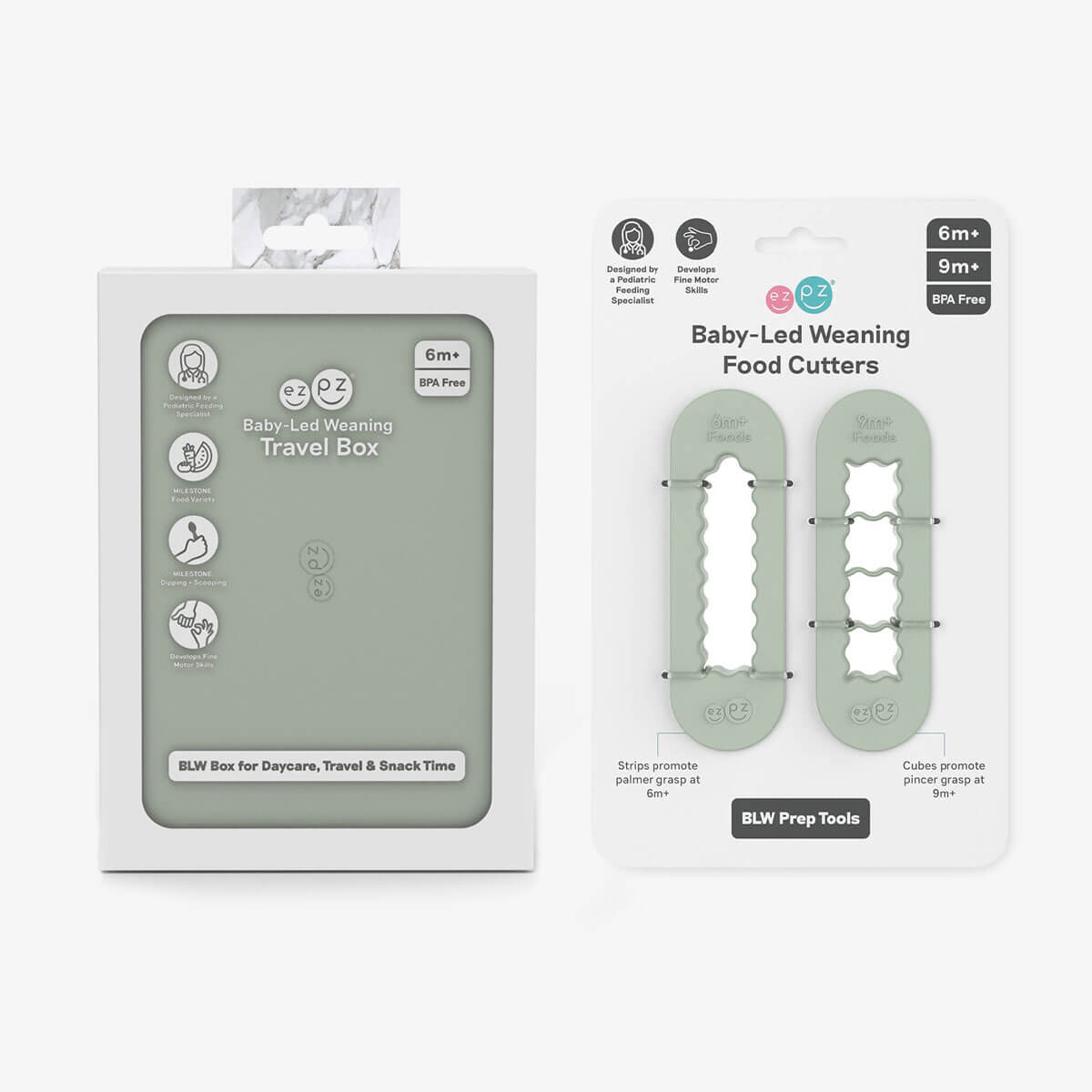




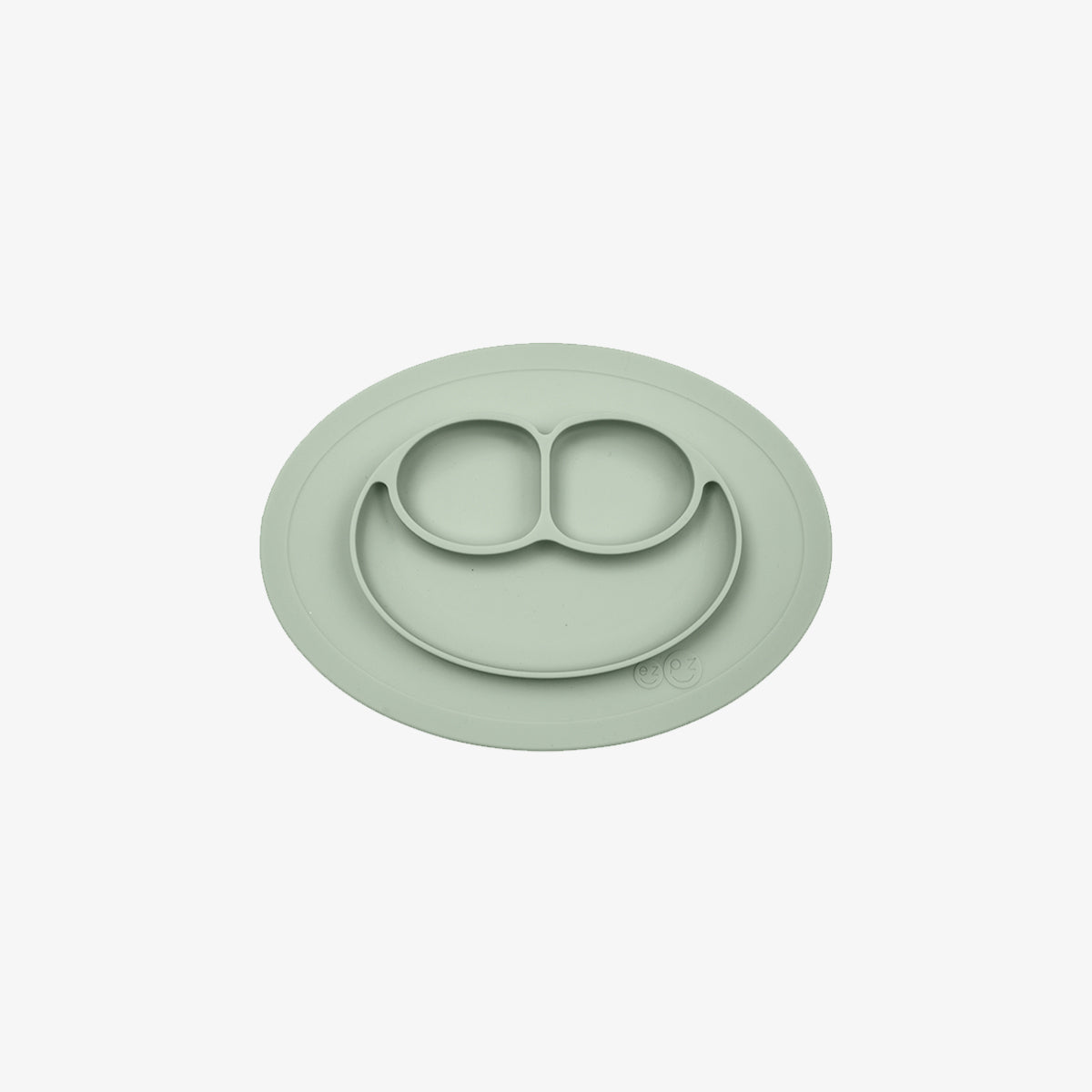



Mini Mat + Bapron Bundle
6+ Months







Frequently Asked Questions
What are the key feeding milestones babies and toddlers should reach from birth to age 5?
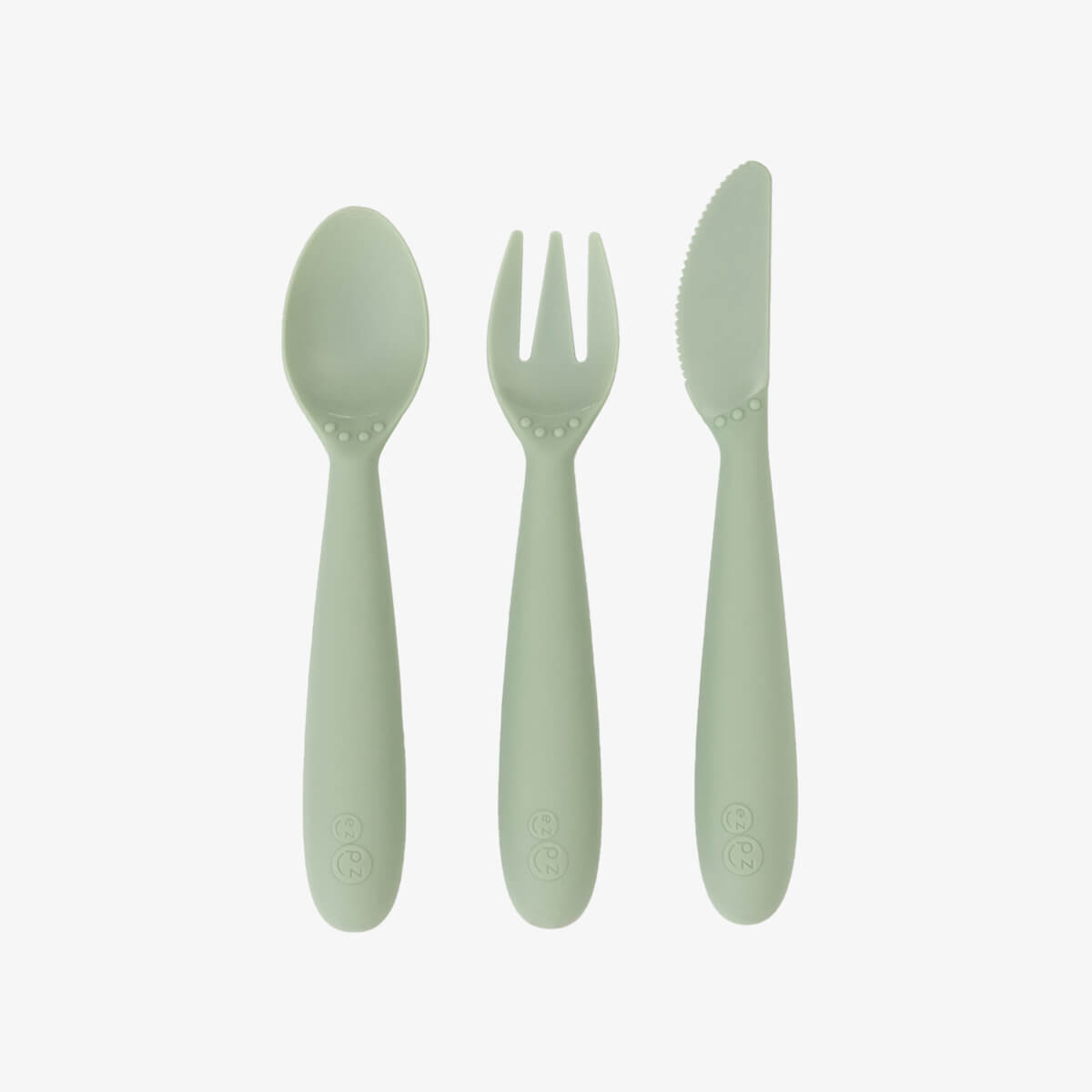
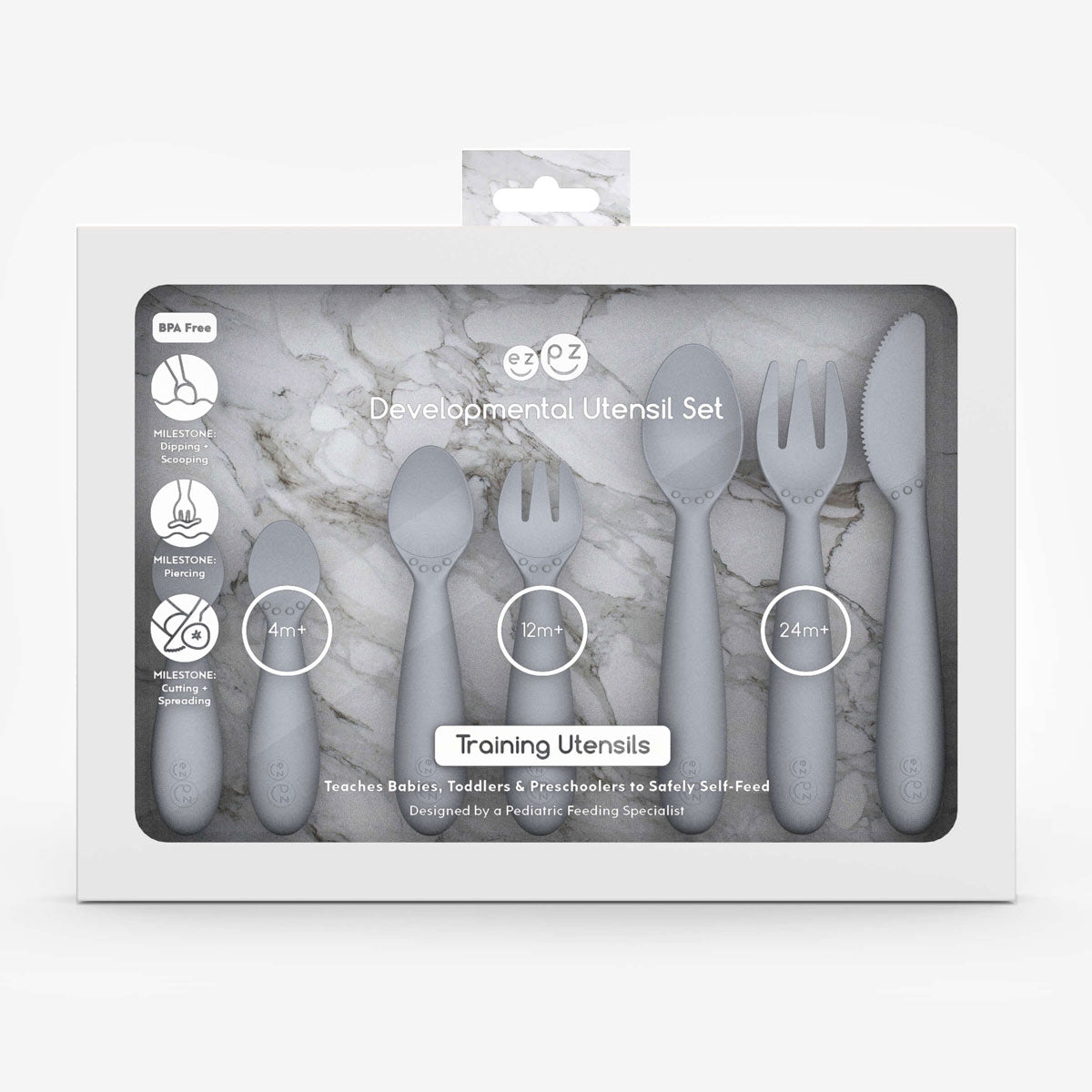
Feeding milestones are developmental steps that progress from oral care and pre-feeding skills in the earliest months, through starting solids and baby-led weaning around 6 months, to self-feeding with utensils, straw drinking, and independent cup use through the toddler and preschooler years. Each stage builds on the last - babies first develop the palmar grasp to hold food strips, then the pincer grasp to pick up small cubes, then utensil coordination for scooping and piercing, and eventually two-handed skills like spreading and cutting with a training knife. ezpz's collections are designed to align with each of these milestones, from the pre-feeding Oral Development Tools all the way to the Basics Collection for kids 5 and older.
Who is Dawn Winkelmann and how does she influence ezpz product design?
Dawn Winkelmann, M.S., CCC-SLP is a pediatric Speech-Language Pathologist and Feeding Specialist who has treated thousands of children around the world. Dawn helps families navigate picky eating, food refusal, and feeding development challenges. As ezpz's in-house Pediatric Feeding Specialist, Dawn brings her clinical expertise directly into the product design process, ensuring that every ezpz tool is grounded in feeding and swallowing research and thoughtfully sized / shaped for each developmental stage. Her approach is practical, positive, and family-friendly - taking complicated feeding science and making it accessible and actionable for parents at mealtime.
How do I choose the right ezpz feeding gear for my baby's age and developmental stage?
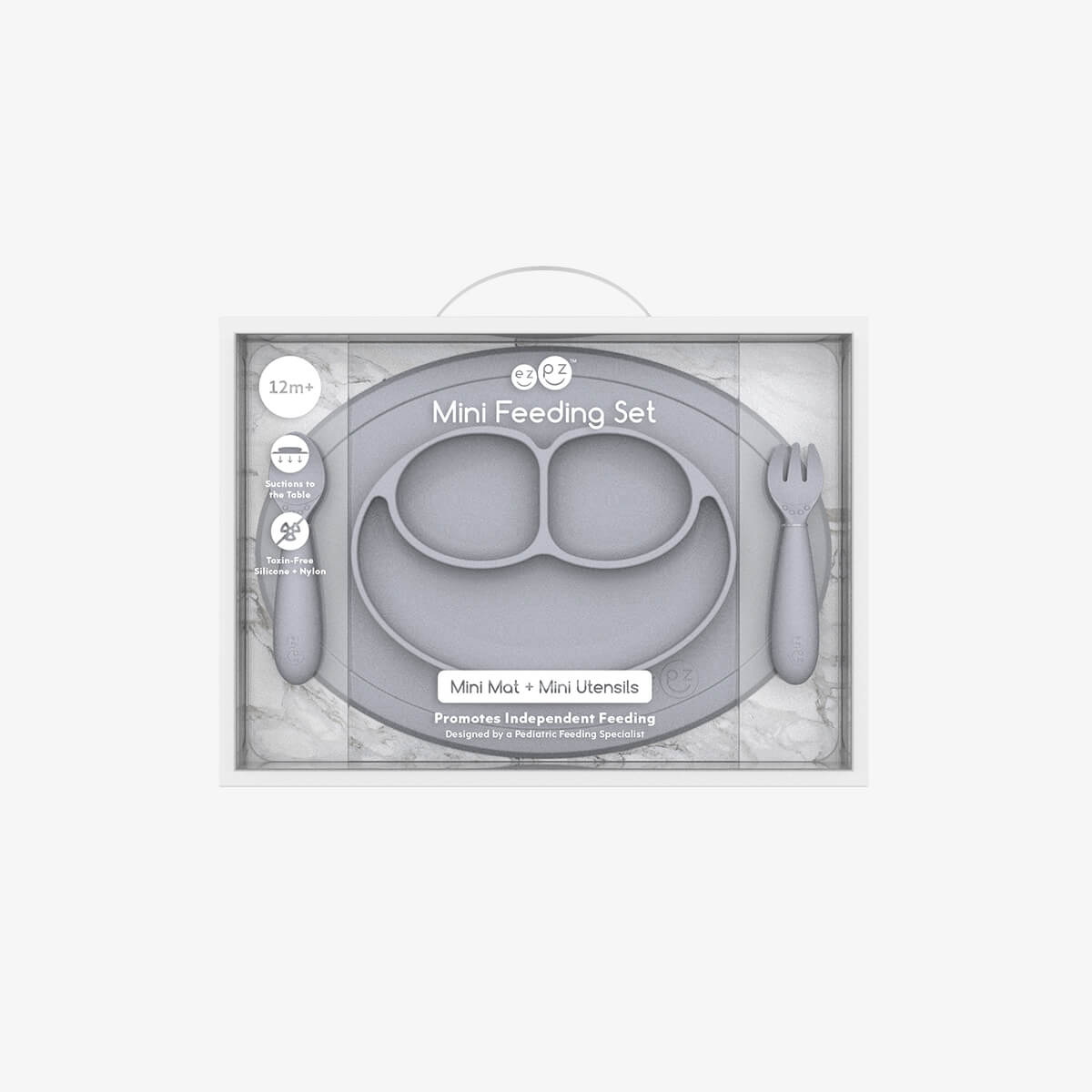
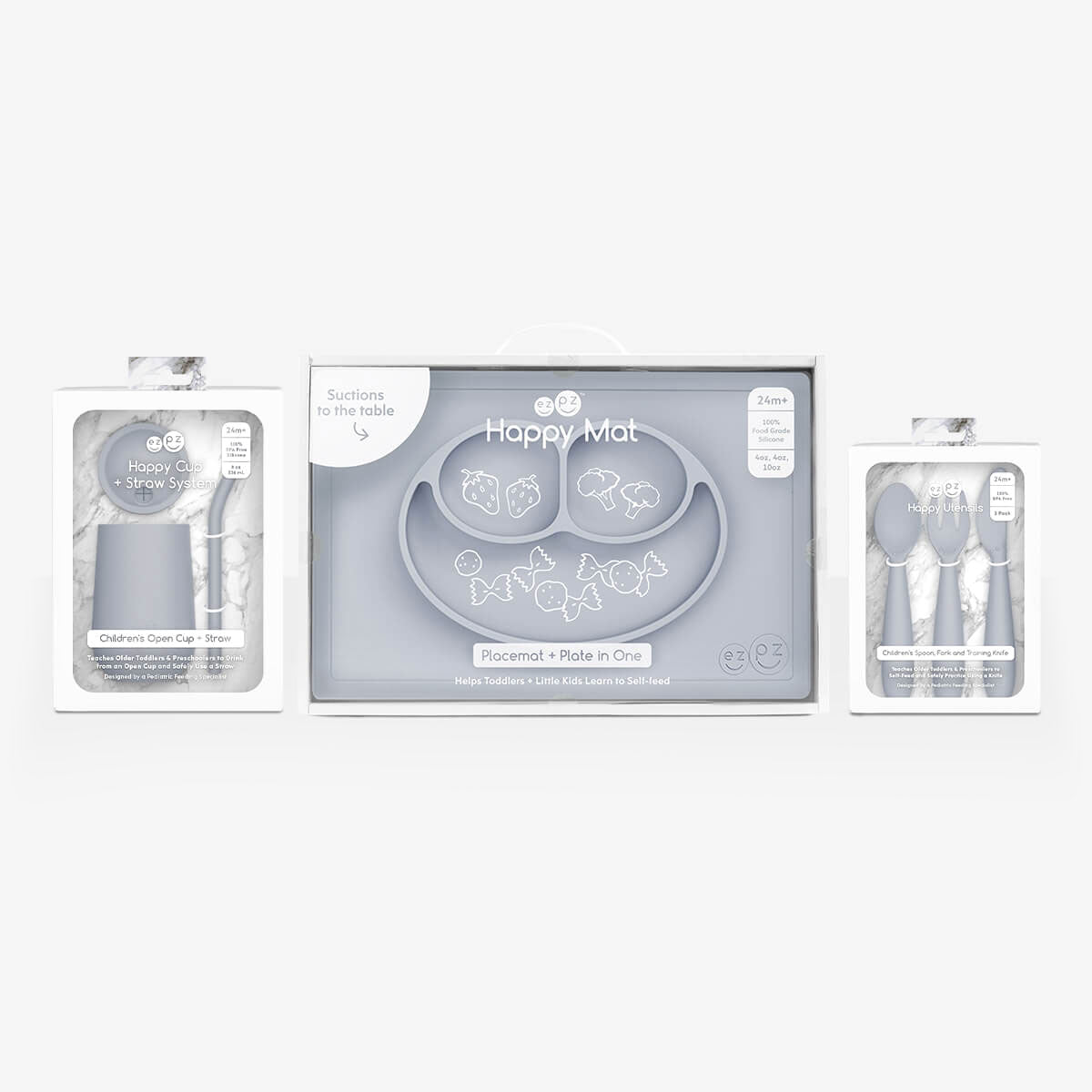
ezpz organizes its products into six collections aligned to specific ages and stages - the Oral Care and Pre-Feeding Collection for infants before solids begin, the Tiny Collection for babies 6 months and older starting solids, the Mini Collection for toddlers 12 months and older, the Happy Collection for older toddlers and preschoolers 2 and older, and the Basics Collection for kids 5 and up. Each collection is designed to support the feeding milestones most relevant to that stage. If you are unsure where to start, the ezpz Collections by Ages and Stages blog is a helpful resource for matching the right products to your child's current developmental needs.
What feeding gear do pediatric feeding specialists recommend for starting solids?
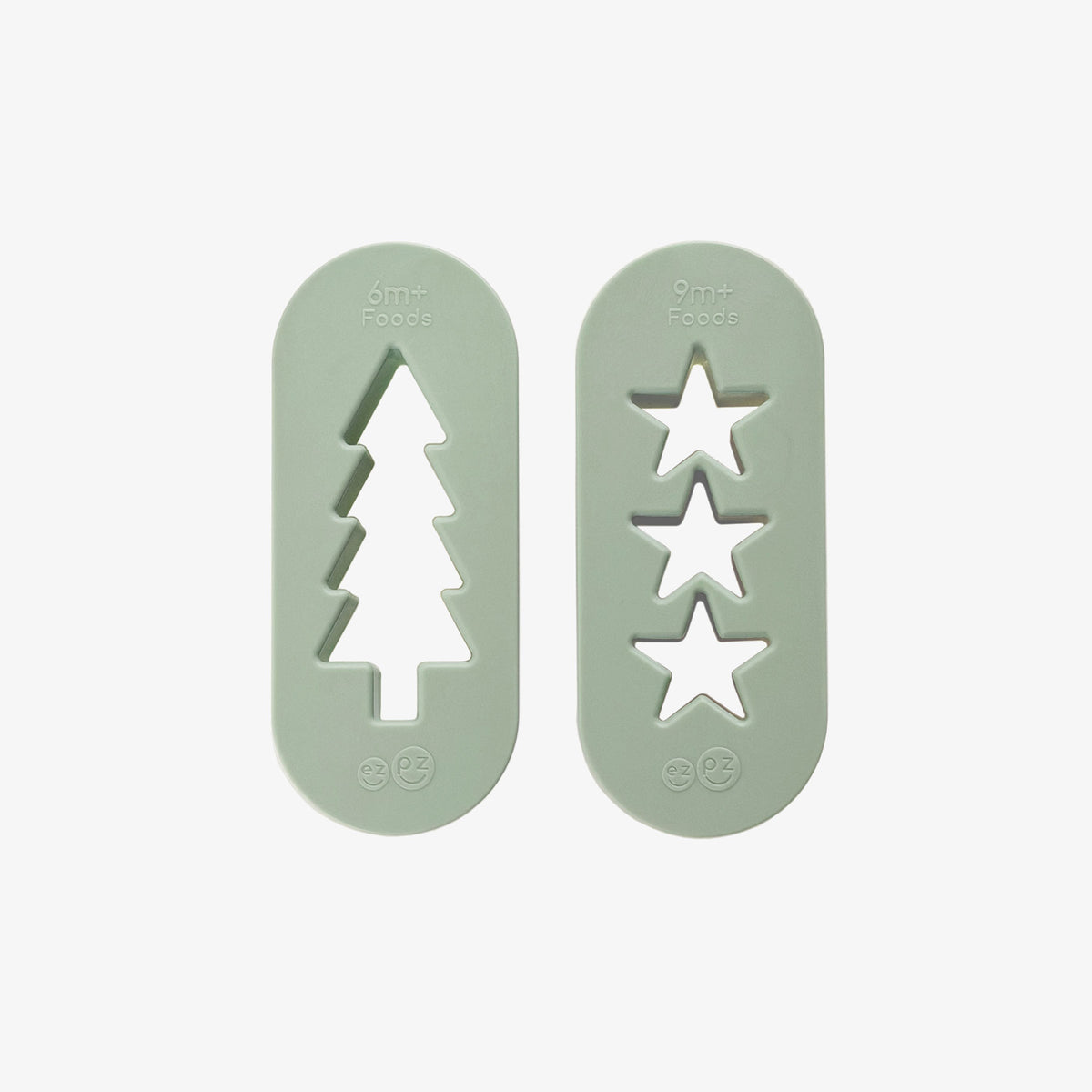
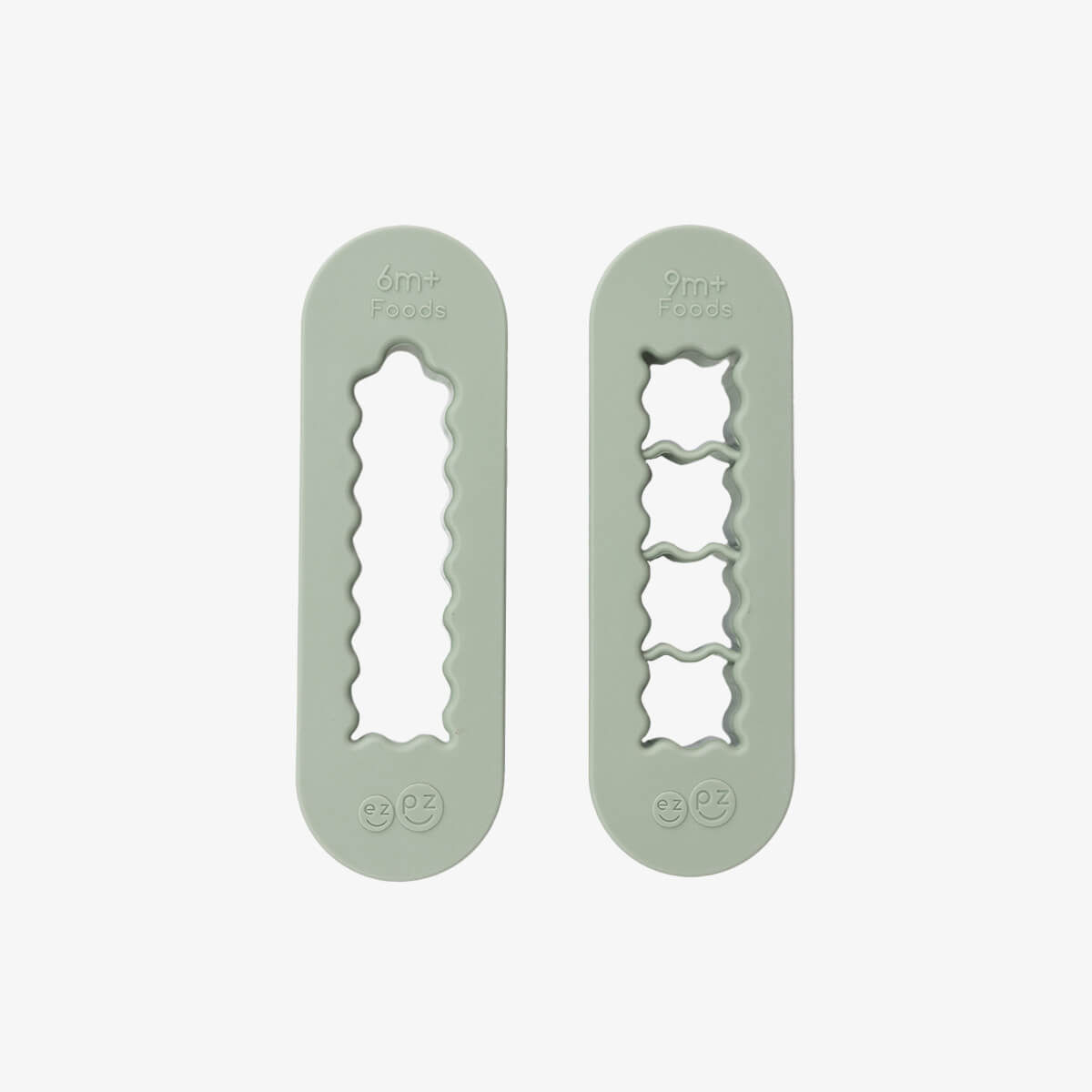
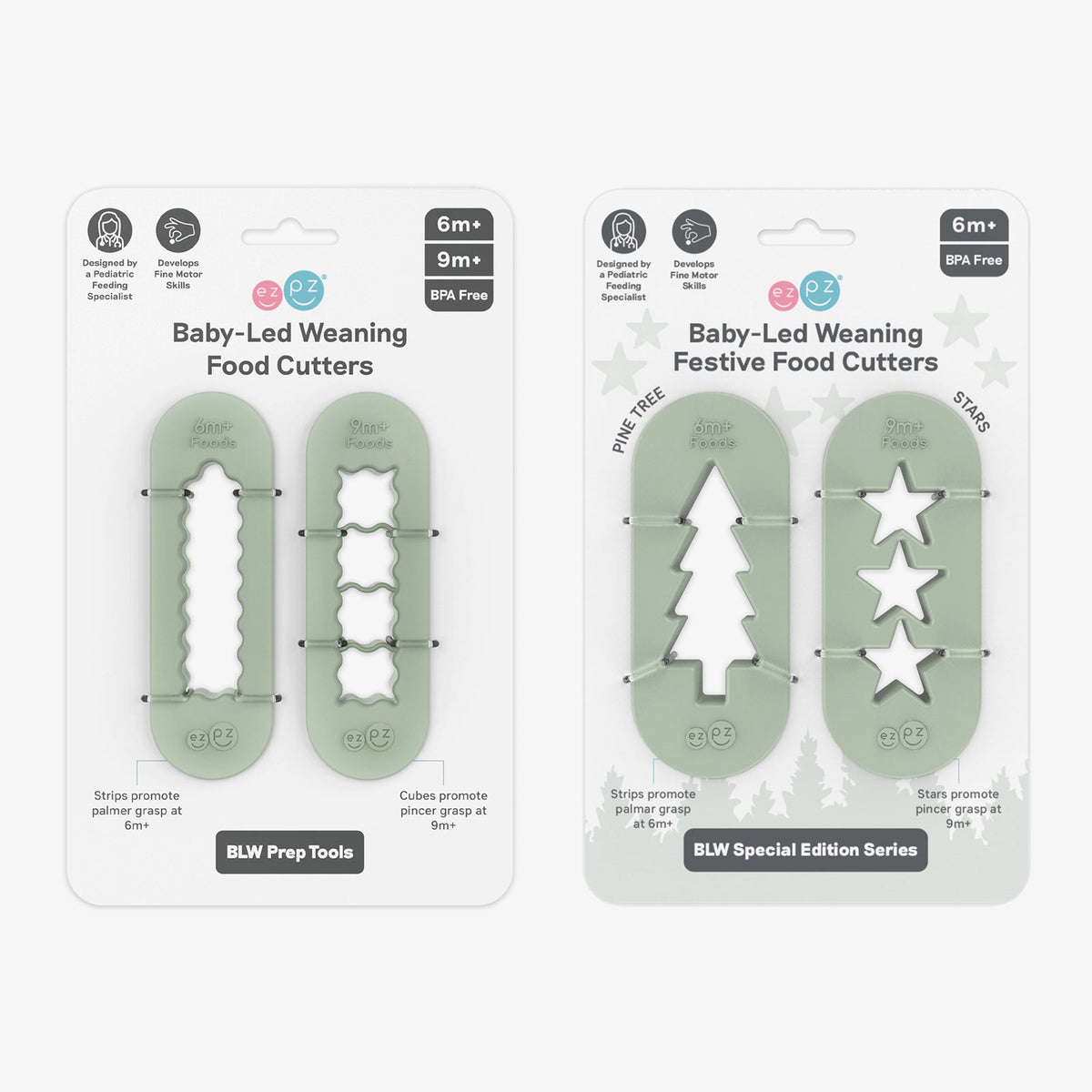
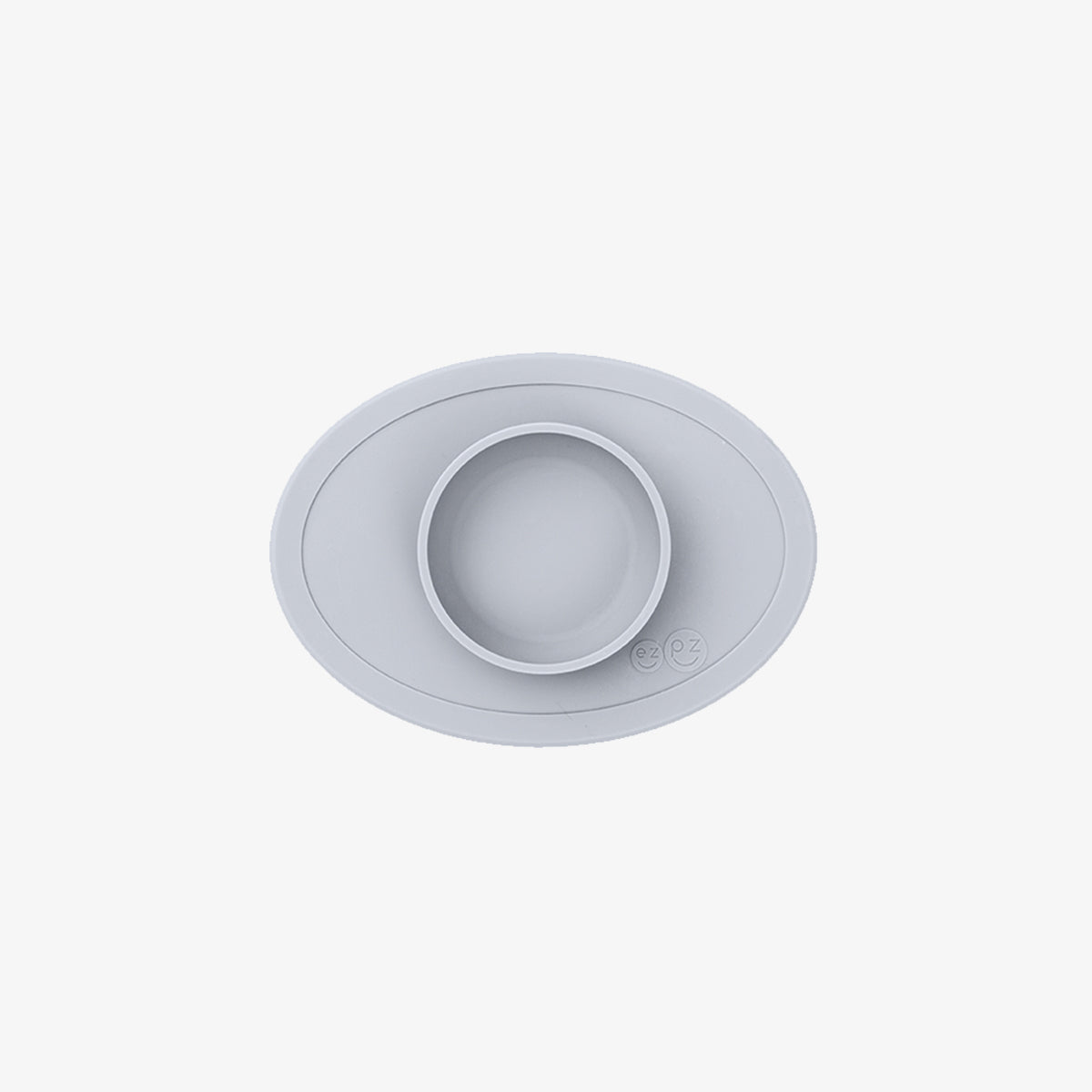
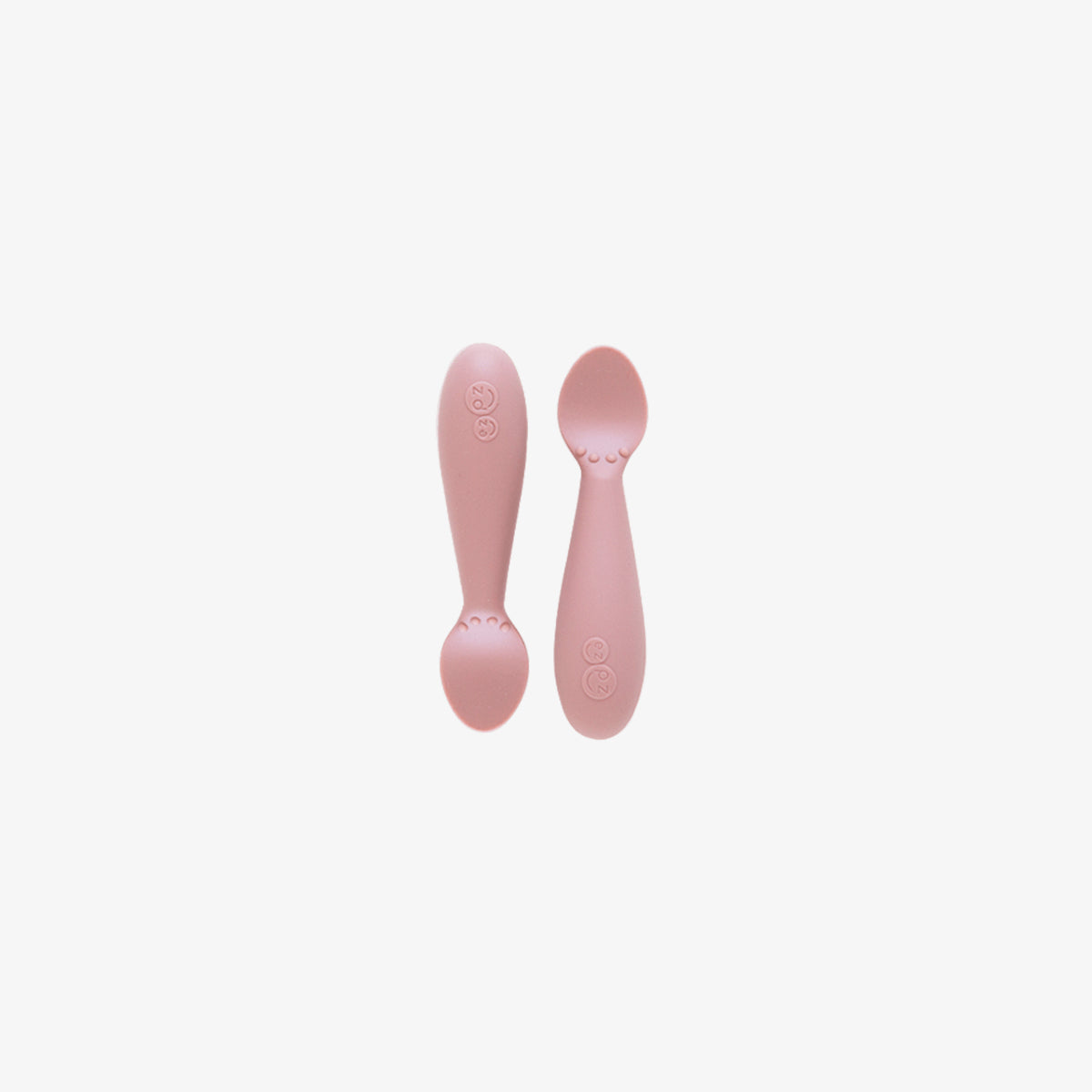
Dawn recommends beginning solids at 6+ months with the Tiny Cup, Tiny Spoons, suction tableware (like the Tiny Plate, Tiny Bowl, or Tiny Placemat), and the BLW Food Cutters.
How does ezpz support babies and toddlers with feeding challenges or developmental delays?
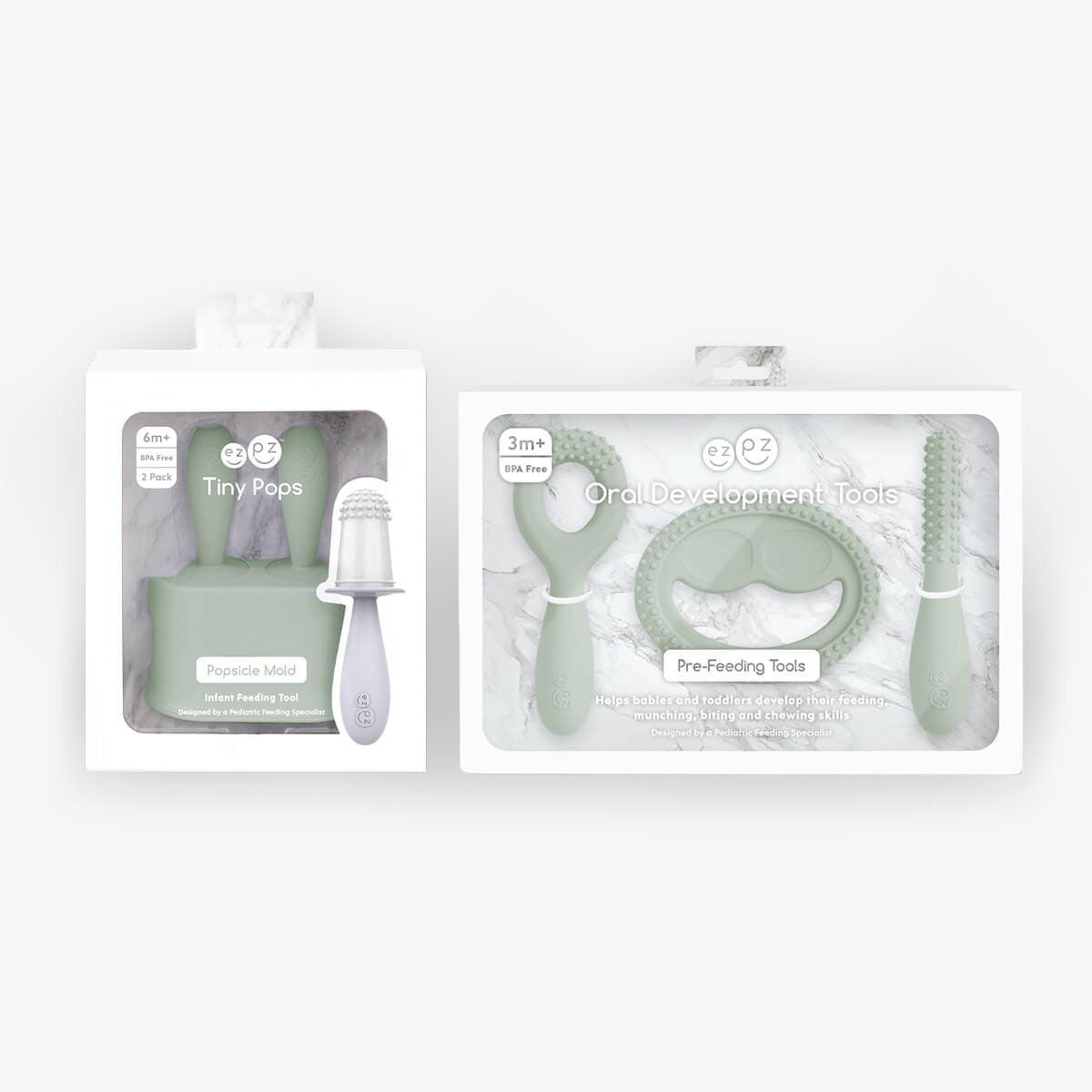
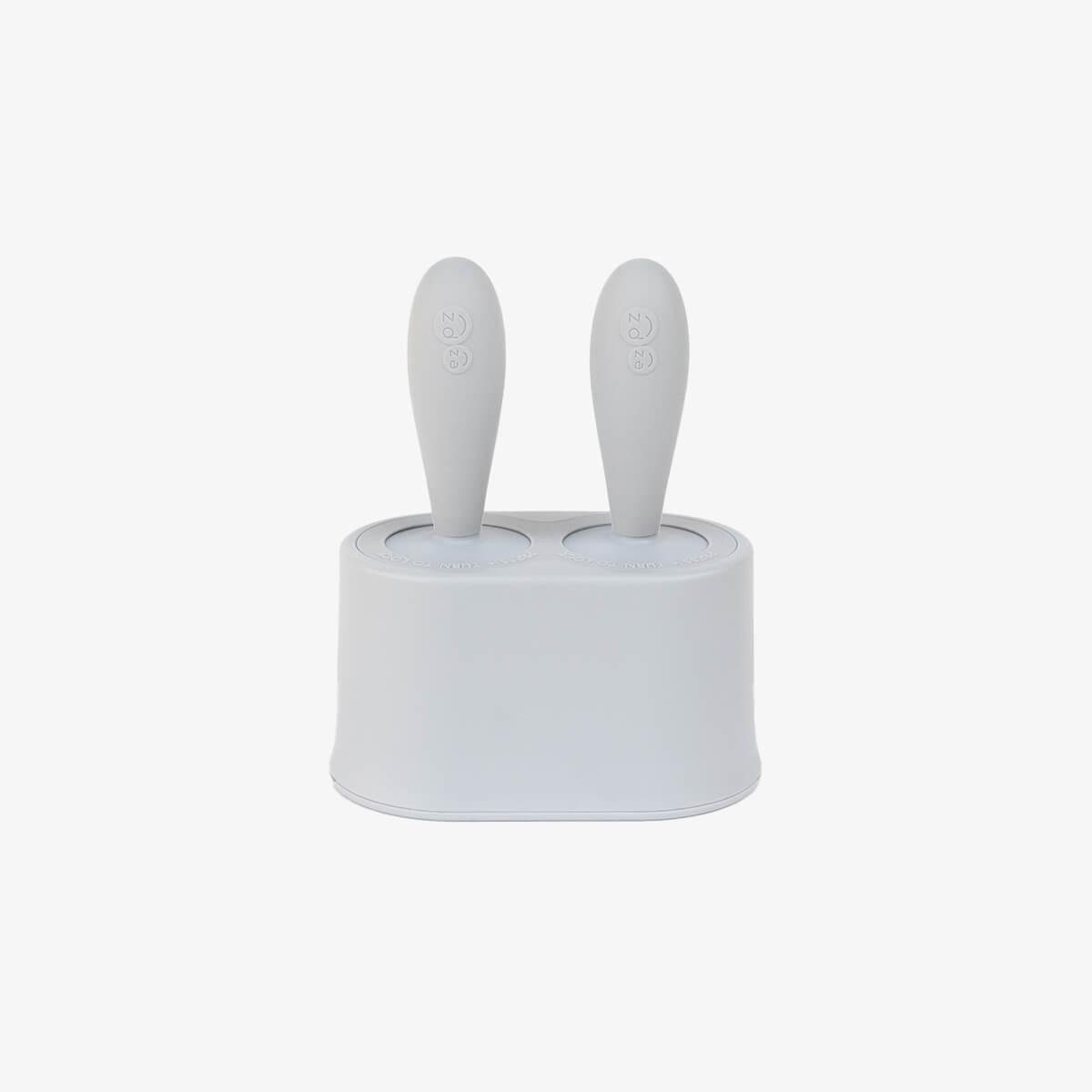
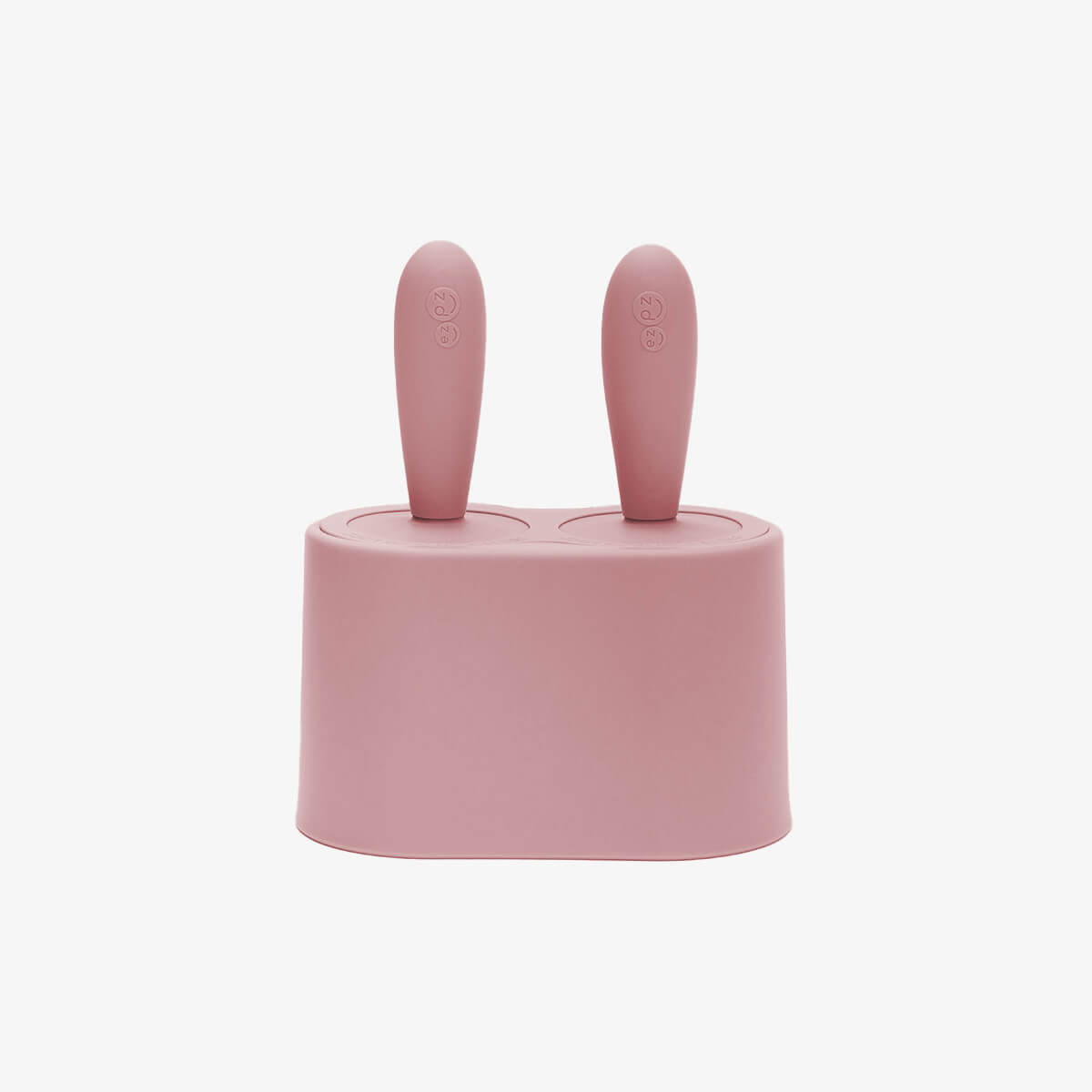
ezpz products are clinically informed by Dawn's extensive experience treating babies and toddlers with a wide range of feeding challenges, including picky eating, food refusal, sensory sensitivities, and oral motor difficulties. Tools like the Oral Development Tools, Tiny Pops, and properly sized utensils are designed not just for typically developing children, but also for little ones who need extra support building the strength, coordination, and sensory comfort required for safe and successful eating. If your child is experiencing persistent feeding challenges, Dawn recommends speaking with your pediatrician for a referral to a Speech-Language Pathologist or Occupational Therapist who specializes in pediatric feeding and swallowing. In the meantime, ezpz's research-based tools can provide meaningful support at home.